This comprehensive guide provides all the information you need to understand and use your Airbag Man air suspension kit effectively. From installation and operation to maintenance and troubleshooting, this user manual covers everything you need to know.
Introduction
Welcome to the Airbag Man air suspension kit user manual; This manual is designed to guide you through the installation, operation, maintenance, and troubleshooting of your new air suspension system. Airbag Man is a leading Australian manufacturer of air suspension systems for a wide range of vehicles, including cars, vans, 4WDs, SUVs, and motorhomes.
Our air suspension kits are designed to improve ride comfort, stability, handling, and overall performance, providing a smoother and more controlled ride, especially when towing or carrying heavy loads. This manual provides detailed instructions and illustrations to ensure a safe and successful installation and use of your Airbag Man system.
We recommend reading this manual thoroughly before attempting any installation or operation. If you have any questions or require assistance, please do not hesitate to contact our customer support team. Your satisfaction is our priority.
Airbag Man⁚ What It Is and What It Does
Airbag Man air suspension kits are designed to enhance the ride quality and load-carrying capacity of your vehicle. They are essentially supplemental air springs that work in conjunction with your existing suspension system. When properly installed, these airbags help to level your vehicle, improve stability, and reduce harshness, especially when towing or carrying heavy loads.
Airbag Man kits utilize high-quality airbags made from durable rubber and come with vehicle-specific mounting brackets. They are designed to provide a smooth, controlled ride, even on rough terrain. By adjusting the air pressure within the airbags, you can fine-tune the ride height and stiffness to suit your specific needs.
The Airbag Man system is also beneficial for maintaining a level ride when towing caravans, boats, or trailers. It helps to distribute the load more evenly across the vehicle’s axles, preventing sagging and improving overall handling.
Installation and Operation
Installing an Airbag Man kit is a relatively straightforward process, but it’s essential to follow the instructions carefully for proper installation and safe operation. The kit typically includes two airbags, mounting brackets, fasteners, air fittings, air line tubing, and inflation valves. You may need additional tools, depending on your vehicle’s make and model.
The installation process involves mounting the airbags to your vehicle’s suspension system, connecting the air lines, and installing the inflation valves. You’ll find detailed diagrams and step-by-step instructions in the Airbag Man user manual. It’s crucial to ensure that the airbags are properly aligned and secured to prevent any potential issues.
Once installed, you can adjust the air pressure within the airbags using the inflation valves. You can use a standard tire pressure gauge to monitor and adjust the air pressure. The recommended pressure range for the airbags will be outlined in your user manual.
Airbag System Components
The Airbag Man air suspension system is comprised of several key components that work together to provide a smooth and controlled ride. These components include⁚
- Airbags⁚ These are the heart of the system, providing additional support to your vehicle’s suspension. They are typically made of durable rubber and designed to withstand high pressure.
- Brackets and Mounts⁚ These secure the airbags to your vehicle’s suspension system. They are custom-designed to fit specific vehicle models and ensure proper alignment.
- Air Lines and Fittings⁚ These connect the airbags to the inflation valves and allow you to adjust the air pressure within the system. The air lines are typically made of durable rubber or plastic to resist wear and tear.
- Inflation Valves⁚ These are used to inflate and deflate the airbags. They allow you to adjust the air pressure to achieve the desired ride height and load capacity.
- Control System (Optional)⁚ Some Airbag Man kits include a control system that allows you to adjust the air pressure from inside the vehicle. This can be convenient for fine-tuning the ride height for different load conditions.
Understanding the components of your Airbag Man system will help you maintain it properly and troubleshoot any issues that may arise.
Airbag System Maintenance
Regular maintenance is crucial for ensuring the longevity and optimal performance of your Airbag Man air suspension system. Here are some essential maintenance tasks to perform⁚
- Inspect the Airbags⁚ Regularly check the airbags for any signs of wear, tears, or damage. Look for cracks, punctures, or excessive bulging. If you notice any damage, replace the airbag immediately.
- Check Air Line Connections⁚ Ensure that all air line connections are secure and free from leaks. Tighten any loose fittings and inspect for signs of wear or damage in the lines.
- Inspect Inflation Valves⁚ Check the inflation valves for any signs of damage, leaks, or corrosion. Replace any faulty valves promptly.
- Lubricate Air Fittings⁚ Periodically apply a light lubricant to the air fittings to prevent them from seizing up. This will ensure smooth airflow and prevent leaks.
- Clean the System⁚ Regularly clean the air lines, fittings, and inflation valves with compressed air or a suitable cleaning solution to remove dirt and debris that can cause blockages or leaks.
By following these maintenance guidelines, you can ensure your Airbag Man system remains in top condition, providing a comfortable and reliable ride for years to come.

Troubleshooting
While Airbag Man air suspension systems are designed for reliability, occasional issues may arise. Here’s a guide to troubleshooting common problems⁚
- Airbag Not Inflating⁚ Check the air line connections for leaks, ensure the air compressor is functioning correctly, and verify the inflation valve is open. If the problem persists, inspect the airbag for damage or blockage.
- Airbag Deflating Too Quickly⁚ Inspect the air lines for leaks, check for damage to the airbag itself, and ensure the inflation valve is properly sealed. If leaks are found, repair or replace the affected components.
- Uneven Height Adjustment⁚ Ensure that the air lines are properly routed and connected to the correct airbags. Check for blockage or damage in the air lines. If the issue persists, investigate the inflation valve for malfunction.
- Rough Ride⁚ Verify that the airbags are properly inflated to the recommended pressure. Check for worn or damaged suspension components, such as shocks or springs. If the problem persists, consult a qualified mechanic for further diagnosis.
- Air Compressor Not Working⁚ Check the fuse or circuit breaker for the air compressor. Inspect the wiring and connections for any damage or loose connections. If the problem persists, consult a qualified mechanic.
If you are unable to resolve the issue, consult your Airbag Man dealer or a qualified mechanic for assistance. Remember to consult the Airbag Man User Manual for detailed troubleshooting procedures and safety guidelines.
Safety Precautions
Your safety is paramount when working with Airbag Man air suspension systems. Adhering to these precautions will ensure a safe and successful installation and ongoing use⁚
- Proper Lifting⁚ Always use appropriate jack stands and safety precautions when lifting your vehicle. Never work under a vehicle supported only by a jack.
- Air Pressure⁚ Never exceed the maximum recommended air pressure for your specific Airbag Man air suspension kit. Overinflation can lead to damage and potential injury.
- Air Line Connections⁚ Ensure that all air line connections are secure and free of leaks. Loose or damaged connections can lead to air leaks and potential hazards.
- Airbag Placement⁚ Install the airbags according to the instructions provided in the Airbag Man User Manual. Incorrect placement can affect performance and safety.
- Electrical Connections⁚ If your kit includes electrical components, handle them with care and ensure proper grounding. Consult a qualified electrician for any electrical work.
- Inspect Regularly⁚ Regularly inspect the airbags, air lines, and other components for wear and tear. Replace any damaged components immediately.
- Professional Assistance⁚ If you are unsure about any aspect of installation or maintenance, consult a qualified mechanic or your Airbag Man dealer.
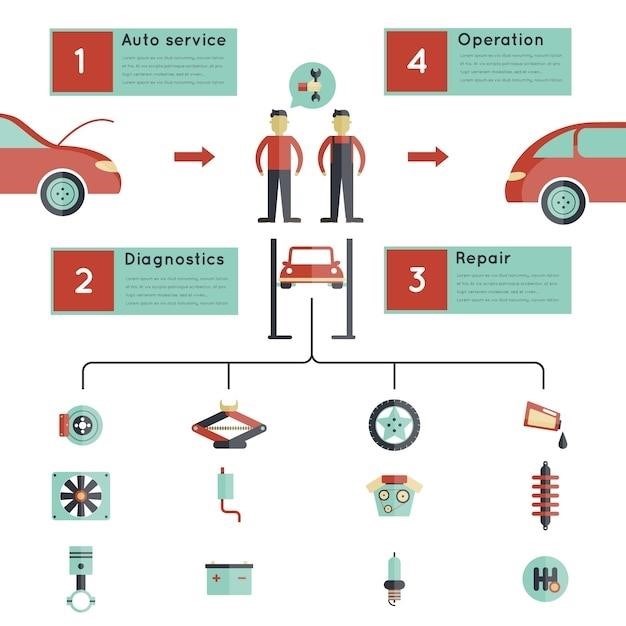
By following these safety precautions, you can ensure a safe and enjoyable experience with your Airbag Man air suspension system.
Warranty Information
Airbag Man offers a comprehensive warranty on their air suspension products. This warranty covers defects in materials and workmanship for a specified period. To ensure your warranty coverage, it’s essential to understand the terms and conditions⁚
- Warranty Period⁚ Refer to your Airbag Man User Manual or contact your Airbag Man dealer for the specific warranty period applicable to your kit. The warranty typically covers a period of years from the date of purchase.
- Coverage⁚ The warranty covers defects in materials and workmanship, ensuring that your air suspension system operates correctly and safely. It may not cover damage caused by misuse, neglect, accidents, or improper installation.
- Proof of Purchase⁚ To make a warranty claim, you’ll need to provide proof of purchase, such as your original sales receipt. Keep your purchase documents safe and readily available;
- Installation⁚ The warranty may be void if the air suspension system is not installed by a qualified mechanic or authorized dealer. It’s essential to follow the installation instructions carefully and consult a professional if needed.
- Maintenance⁚ Regular maintenance is crucial for the longevity of your air suspension system. Following the recommended maintenance schedule in your User Manual will help maintain the system and ensure warranty coverage.
- Claims Process⁚ Contact your Airbag Man dealer or distributor to initiate a warranty claim. Provide details of the issue, proof of purchase, and any relevant information. They will guide you through the process.
By understanding the warranty terms and conditions, you can ensure that your Airbag Man air suspension system is protected against defects for the specified warranty period.
Contact Information
If you have any questions, need assistance, or require support related to your Airbag Man air suspension system, reaching out to the right contact is essential. Here’s how you can connect with Airbag Man⁚
- Website⁚ Visit the Airbag Man website to explore their product range, find helpful resources, and access their contact information. Look for a dedicated “Contact Us” page, which may include a contact form, email address, or phone number.
- Dealer Network⁚ Airbag Man has a network of authorized dealers across various regions. Check their website or contact them directly to find a dealer near you. Dealers can provide installation, maintenance, and troubleshooting support.
- Social Media⁚ Airbag Man may be active on social media platforms such as Facebook, Instagram, or Twitter. You can connect with them on these platforms to ask questions, share experiences, or stay updated on new products and promotions.
- Phone⁚ Look for a dedicated phone number on the Airbag Man website, in your user manual, or on their marketing materials. This will allow you to speak directly with a customer service representative for immediate assistance.
- Email⁚ Many companies provide a specific email address for customer service inquiries. Search for this on their website or in your user manual. Emails provide a convenient way to communicate detailed information and receive responses at your convenience.
By using these contact channels, you can quickly and effectively connect with Airbag Man for any questions or support you may need.
Where to Find the User Manual
Having access to the Airbag Man user manual is crucial for understanding the installation, operation, maintenance, and troubleshooting of your air suspension system. Thankfully, there are several ways to obtain this valuable resource⁚
- Included in the Kit⁚ Most Airbag Man air suspension kits come with a printed user manual as part of the package. Check the box carefully when you receive your kit. The manual should be included along with the other components.
- Downloadable PDF⁚ Airbag Man may offer a downloadable PDF version of the user manual on their website. Look for a “Downloads” or “Resources” section where you can find the manual for your specific kit model. This allows you to access the information digitally and print it if needed.
- Dealer Assistance⁚ If you purchased your Airbag Man kit from a dealer, they might have a copy of the user manual readily available. Contact your dealer and ask if they can provide you with a printed copy or a digital version.
- Airbag Man Website⁚ Check the Airbag Man website for a section dedicated to user manuals or documentation. You can search for the manual by product name, model number, or kit type.
- Contact Customer Service⁚ If you’re having trouble finding the user manual, contact Airbag Man’s customer service department. They can help you locate the manual or provide you with a copy directly.
Having access to the user manual empowers you to understand and utilize your Airbag Man air suspension system effectively. By following the instructions and guidelines outlined in the manual, you can ensure proper installation, safe operation, and optimal performance of your system.
Airbag Man User Manual PDF Download
Downloading a PDF version of the Airbag Man user manual is a convenient and readily accessible option for those who prefer digital formats or need to have a copy readily available on their devices. This allows for easy access, portability, and the ability to print a hard copy if needed. Here are some ways to download the Airbag Man user manual PDF⁚
- Airbag Man Website⁚ The most likely place to find a downloadable PDF version of the user manual is on the official Airbag Man website. Look for a “Downloads” or “Resources” section, where you can often find manuals categorized by product type or model number.
- Online Retailers⁚ Many online retailers who sell Airbag Man products, such as Amazon or eBay, may also provide downloadable user manuals. Check the product page for a “Downloads” section or look for links to the manufacturer’s website.
- User Forums⁚ Online forums dedicated to automotive modification or Airbag Man products might have users who have shared downloadable PDFs of the manual. Search for your specific kit model in the forum to see if others have uploaded the manual.
- Contact Airbag Man⁚ If you’re unable to locate the PDF manual through the above methods, contact Airbag Man’s customer service directly. They can assist you in finding the manual or may be able to provide you with a downloadable version.
Once you have located the PDF manual, save it to your device for easy access. This allows you to refer to the instructions and guidelines whenever you need them, making it convenient for installation, maintenance, or troubleshooting. Remember to check for updates or newer versions of the manual periodically to ensure you have the latest information.